
BitLocker vs File Lock Software: Is BitLocker Enough After Windows Sign-In?
BitLocker is an important Windows security layer, but its job is often misunderstood. It encrypts a supported volume so stored data is protected when the PC is off or the drive is examined offline. It does not create a separate password wall around every private folder after the computer has started.
The Layer BitLocker Protects Well
Microsoft describes BitLocker as full-volume encryption for data at rest. Its strongest use case is preventing someone from bypassing Windows by removing the disk, booting another operating system, or examining a lost device while the protected volume is locked.
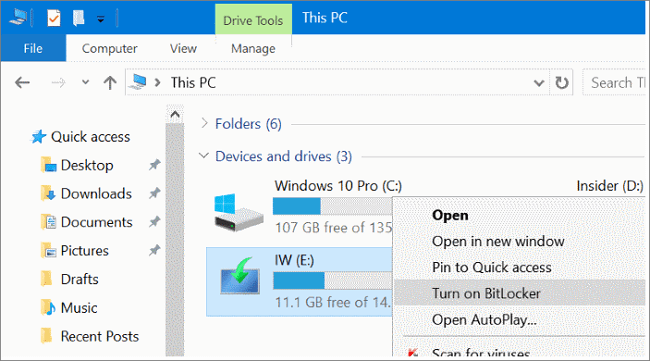
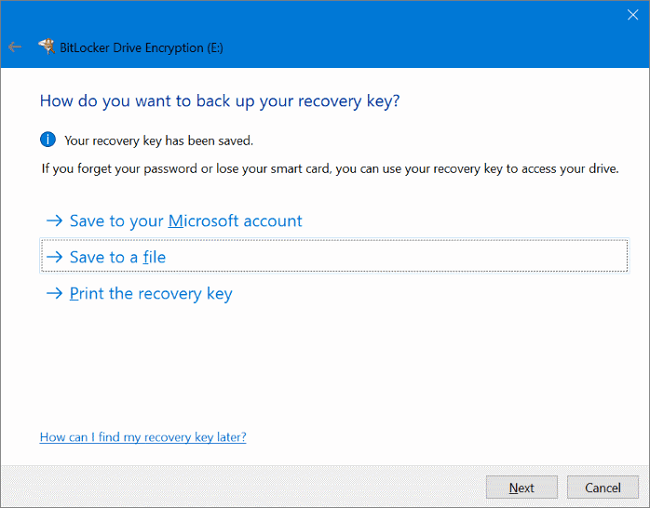
- Protect a Windows volume on a lost or stolen laptop.
- Protect a fixed or removable drive from offline examination.
- Encrypt stored sectors transparently while authorized Windows use continues.
- Support organization-wide volume encryption and key-recovery procedures.
What Changes After Windows Signs In?
When the PC boots normally and the BitLocker volume unlocks, applications can read and write data through Windows. The operating system then relies on normal account permissions and any additional folder controls. BitLocker does not stop and request a different password whenever someone opens a particular folder.
| Threat or task | Primary control |
|---|---|
| Read a removed disk without its key | BitLocker |
| Open one private folder on an already unlocked PC | Folder-level access control |
| Keep selected photos out of normal Explorer views | Folder hiding |
| Prevent a chosen work folder from being renamed or deleted | Selected-item protection rules |
| Control different Windows accounts | NTFS permissions and account administration |
What File Lock Software Adds
GiliSoft File Lock Pro focuses on selected content instead of encrypting every sector on the volume. This makes it useful when a Windows PC is shared, when only a few folders are sensitive, or when a visible folder must remain protected from common file operations.
Lock a selected folder
Keep the folder visible while requiring the File Lock Pro password before protected access is allowed.
Hide private content
Remove chosen files, folders, or local drives from ordinary File Explorer browsing until they are restored through File Lock Pro.
Restrict unwanted operations
Protect selected content against reading, writing, renaming, or deletion without changing the protection state of unrelated folders on the same drive.
A Better Design: Use BitLocker and File Lock Pro Together
Layering the two products is usually more sensible than choosing one and removing the other. Each protection becomes active at a different moment:
Use both when
- A BitLocker laptop is shared with family members, students, contractors, or support staff.
- Client records or personal media need a separate control after Windows sign-in.
- Selected folders must be hidden while the rest of the drive remains normally usable.
- A visible folder must resist casual renaming, editing, or deletion.
When File Lock Software Is Not a BitLocker Replacement
Do not treat selected-folder locking as whole-volume encryption. If an attacker can remove an unencrypted disk and inspect it outside Windows, full-volume encryption remains the relevant control. File Lock Pro has a separate selected-file encryption tool, but its lock, hide, and protect modes should not be described as complete-drive BitLocker equivalents.
Similarly, BitLocker is not a replacement for Windows account hygiene. Use separate accounts, strong sign-in credentials, appropriate NTFS permissions, and organization policy alongside storage encryption.
Decision Checklist for Existing BitLocker Users
Recovery Planning for Both Layers
- Back up the BitLocker recovery key separately from the encrypted device.
- Configure File Lock Pro recovery email details before protecting irreplaceable data.
- Keep a verified backup that does not depend on either access-control product.
- Test lock, unlock, recovery, and restore procedures with disposable files first.
BitLocker vs File Lock Software FAQ
Is BitLocker enough to protect private folders?
It protects the volume at rest. After Windows unlocks the drive, folder access depends on account permissions and any selected-folder controls.
Does BitLocker ask for a password when opening one folder?
No. BitLocker unlocks a drive or volume rather than assigning a separate password to one ordinary folder.
Should File Lock Pro replace BitLocker?
No. Keep BitLocker for full-volume encryption and use File Lock Pro as an additional layer when selected folders need their own rules.
Can File Lock Pro work while BitLocker remains enabled?
Yes. The products operate at different layers and can be used on the same Windows PC.
What protects files from another Windows account?
Start with separate accounts and correct NTFS permissions. Add folder lock software when the selected content also needs a separate password, hiding, or operation controls.
Add selected-folder control without removing BitLocker
Keep volume encryption for offline threats, then protect the folders that remain sensitive after Windows starts.
Download Trial Buy File Lock ProSources: Microsoft: How Windows uses the TPM | Microsoft BitLocker operations guide | Microsoft BitLocker FAQ | NIST SP 800-111