
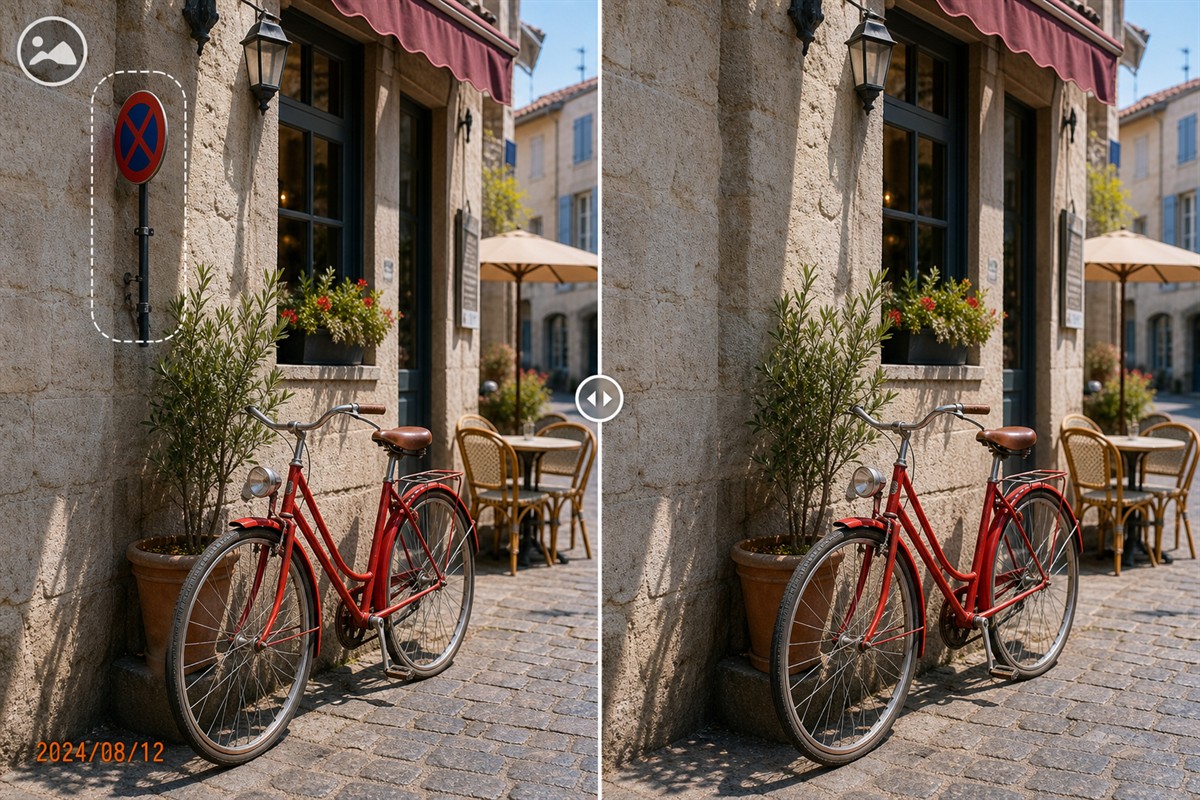
Local Portrait Cleanup Software for Windows
Personal portraits, client headshots, and internal profile images often contain details that should remain private or visually authentic. A good cleanup workflow makes the smallest necessary change, keeps the source intact, and checks the result at both normal viewing size and full resolution.
Quick answer
Keep an untouched original, duplicate the image, and use GiliSoft MarkEase for removing small blemishes and distractions, preserving facial texture and identity, exporting a separate reviewed portrait. Work only on images you own or may modify, use a small selection around the unwanted detail, and review texture, edges, identity, and metadata before sharing.
Before You Start
- Keep an unchanged source file and work from a copy.
- Confirm permissions, ownership, privacy, and destination requirements before processing.
- Test a short representative sample before a long recording, conversion, or batch.
Match the Source to the Task
| Starting point | Recommended action | Review checkpoint |
|---|---|---|
| removing small blemishes and distractions | Use a small selective repair area | Skin or background texture stays consistent |
| preserving facial texture and identity | Zoom in, then check at normal viewing size | The edit looks natural rather than over-smoothed |
| exporting a separate reviewed portrait | Export a new file instead of overwriting the source | Resolution, orientation, and intended privacy are preserved |
Step-by-Step Workflow
- Create a working copy
Store the original separately and use a meaningful file name for the editable copy.
- Inspect at full resolution
Identify the exact blemish, object, text, or distraction and check whether it overlaps hair, facial features, or detailed texture.
- Apply removing small blemishes and distractions
In GiliSoft MarkEase, select the smallest practical area and preview the repair before extending it to nearby details.
- Review preserving facial texture and identity
Compare with the original and reduce the effect if facial identity, skin texture, edges, or lighting begins to look artificial.
- Finish with exporting a separate reviewed portrait
Export a new copy, reopen it, inspect metadata and dimensions, and share only through the intended channel.
Review the Result Before Delivery
- The person remains recognizable and facial texture is not unnaturally flattened.
- Edges, hair, repeated patterns, reflections, and background lines remain coherent.
- The source, working copy, and final export are clearly separated and stored appropriately.
Know the Limits
Cleanup cannot reconstruct detail that was never captured. Large objects, complex hair, strong shadows, and patterned backgrounds may leave artifacts. Do not remove ownership marks or documentary details from images you do not have permission to alter, and do not use portrait editing to misrepresent a person.
Frequently Asked Questions
Should I edit the original photo?
No. Keep the source untouched and export a separate edited copy.
Why does a repaired area look repeated or blurry?
The selected area may be too large or the surrounding texture may be complex. Use smaller passes and compare at normal size.
Does local editing remove all privacy risks?
No. Review file names, metadata, backups, sync folders, and the sharing destination as well as the pixels.
Can MarkEase remove any object perfectly?
No. Results depend on the object size, motion, texture, overlap, and available background detail.